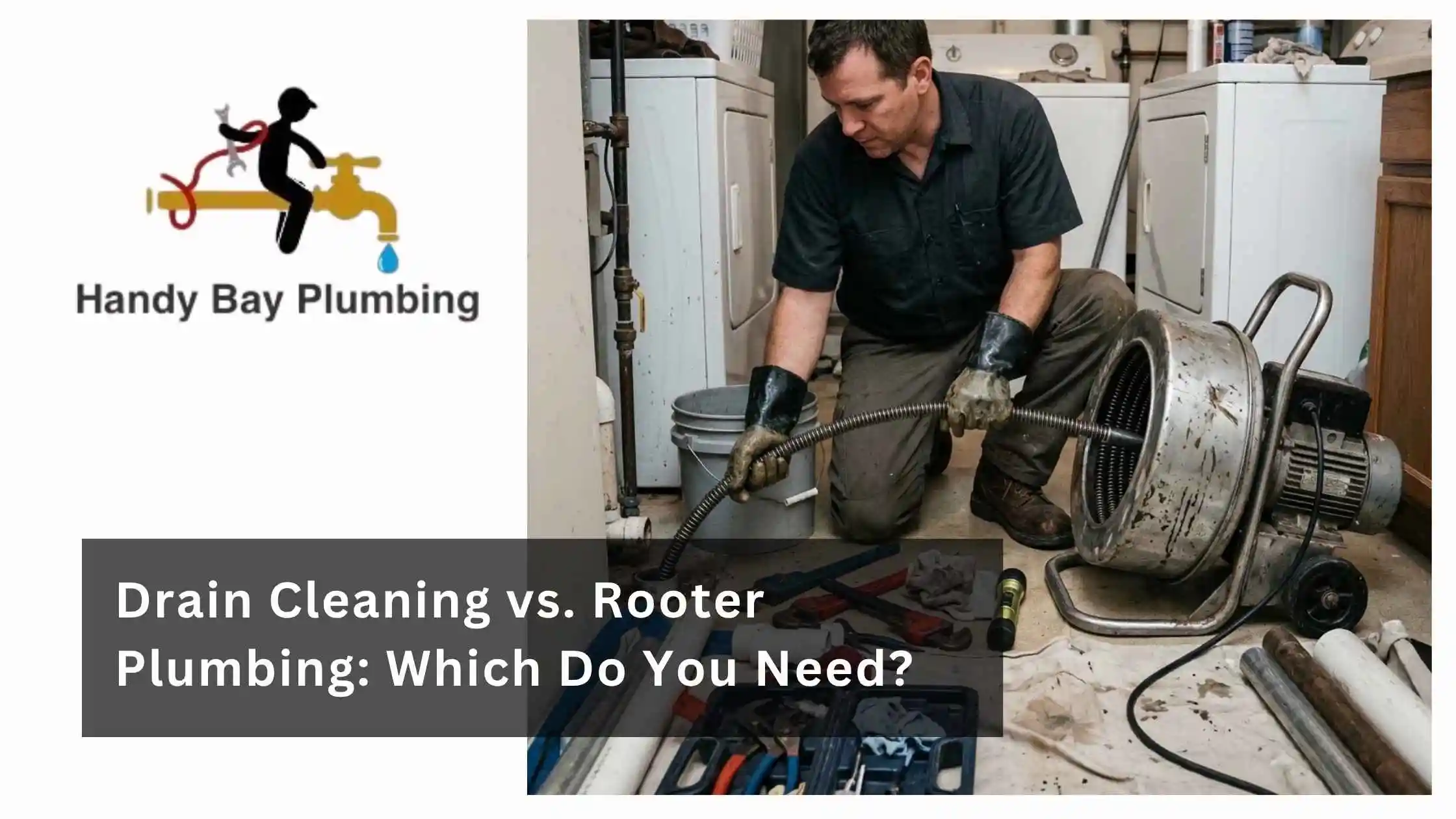
When a sink drains slowly, a shower fills with standing water, or wastewater backs up into your home, choosing the right plumbing service can help prevent recurring problems. For homeowners in Palo Alto, California, understanding the difference between drain cleaning and Rooter Plumbing makes it easier to determine which approach may be appropriate. Both services address drainage problems, but the best solution depends on the location, severity, and cause of the blockage.
Palo Alto homes have different plumbing layouts, pipe materials, and sewer connections. Everyday materials such as hair, soap residue, grease, and food waste can restrict water flow, while deeper obstructions may involve mineral scale, accumulated debris, or tree roots entering underground sewer pipes. Professional diagnosis helps identify the actual issue instead of repeatedly treating the symptoms.
What Is Drain Cleaning?
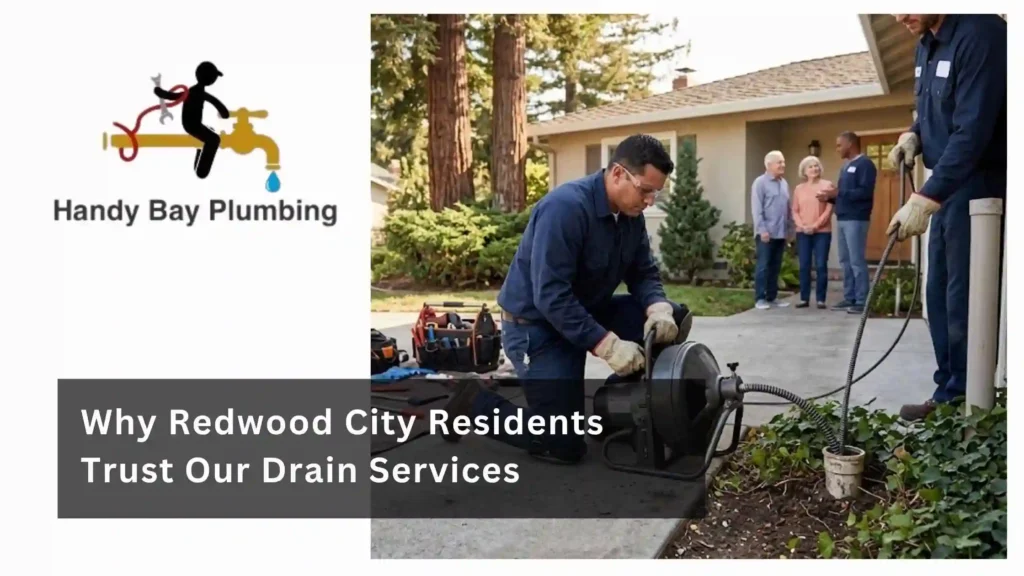
Drain cleaning is a broad plumbing service that removes obstructions and buildup from pipes so wastewater can flow properly. Depending on the blockage, a plumber may use a manual or powered drain snake, hydro jetting equipment, or a camera inspection to determine what is happening inside the plumbing system.
Drain cleaning is often appropriate when a sink, bathtub, shower, laundry drain, or floor drain becomes slow or clogged. It can also address problems affecting larger drainage lines when the blockage is accessible and the pipe is suitable for the selected cleaning method.
Common causes of clogged drains include:
- Hair and soap residue accumulating in bathroom drains.
- Grease and food particles collecting inside kitchen pipes.
- Lint and debris entering laundry drainage systems.
- Mineral deposits and sludge narrowing the pipe’s interior.
- Foreign objects accidentally entering a drain.
- Repeated buildup that gradually restricts normal water flow.
A professional plumber evaluates the symptoms before choosing a cleaning method. A simple clog near a sink may require only drain snaking, while substantial buildup throughout a line may call for hydro jetting if the pipe’s condition permits it.
The objective is to restore drainage without using an unnecessarily aggressive method or overlooking a more serious plumbing issue.
What Is Rooter Plumbing?
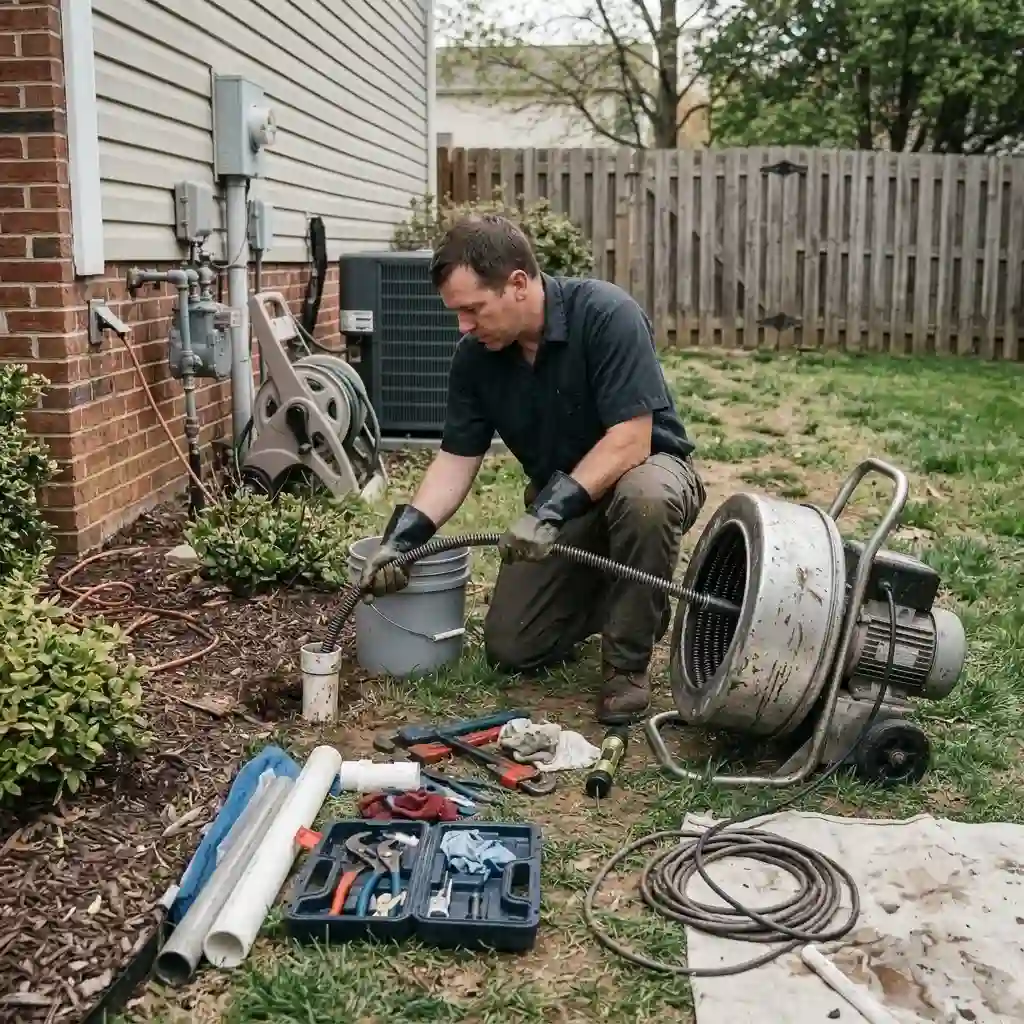
Rooter Plumbing generally refers to plumbing services that use specialized equipment to clear difficult blockages in drain and sewer lines. The term originally became associated with removing tree roots that penetrate underground sewer pipes. Today, rooter services commonly involve powered drain augers and cutting attachments designed to break through obstructions that ordinary drain-clearing methods may not resolve.
Rooter Plumbing may be suitable when a blockage sits deeper in the drainage system, affects a main sewer line, or involves stubborn material that a basic household plunger cannot remove.
Situations that may call for rooter service include:
- Tree roots growing into sewer pipe joints or damaged sections.
- Persistent blockages deep inside a drain line.
- Recurring toilet or sewer backups.
- Solid debris obstructing a main drainage pipe.
- Clogs that return shortly after a basic clearing attempt.
A powered rooter tool can cut through or break apart certain obstructions, allowing the material to be removed or flushed through the system. However, it does not repair a cracked, collapsed, or badly misaligned pipe. If roots continue entering through a damaged joint, clearing them may provide temporary relief without solving the underlying problem.
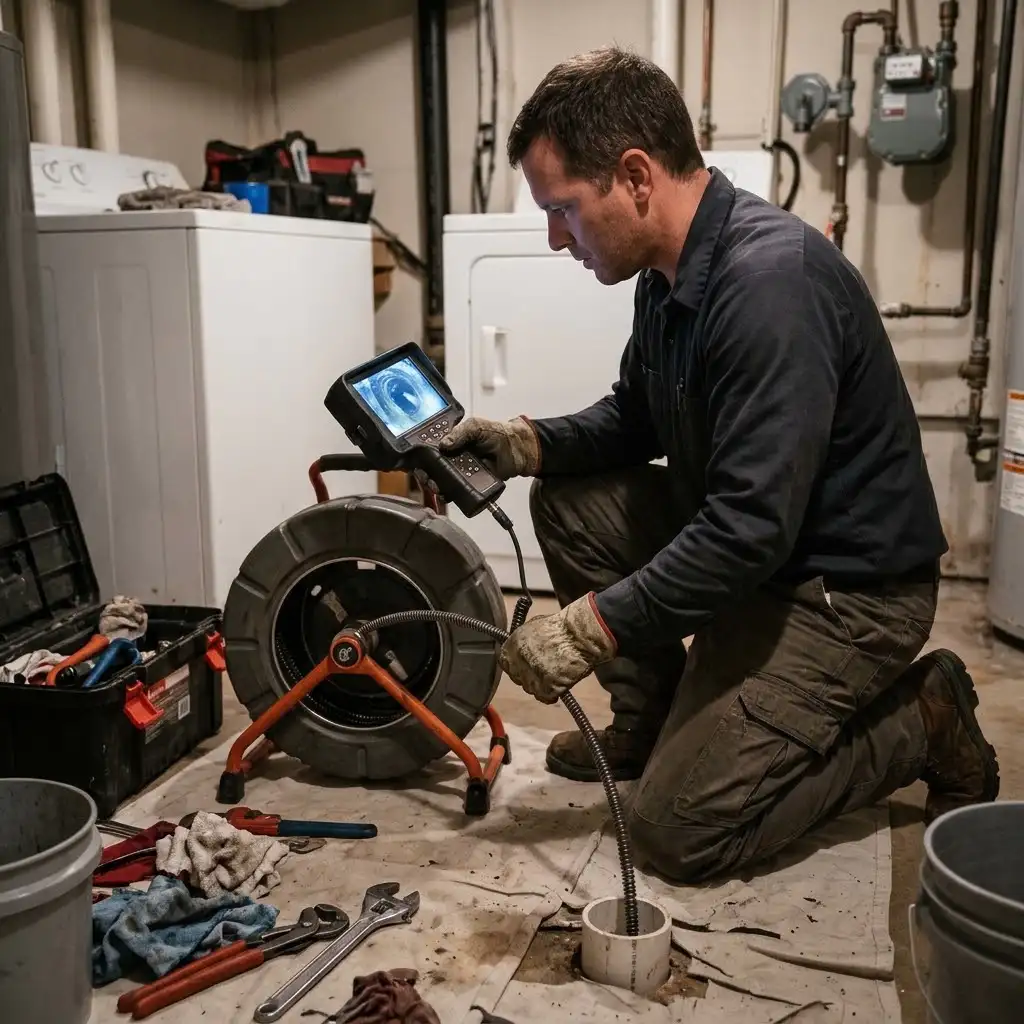
A plumber may recommend a camera inspection to determine whether the blockage is caused by removable debris, root intrusion, or pipe damage.
Rooter Plumbing vs. Drain Cleaning: The Main Differences
Although these terms overlap, they describe different aspects of solving a drainage problem. Drain cleaning is the broader service category, while rooter plumbing commonly refers to a mechanical approach for clearing tougher obstructions.
1. Type of Blockage
Drain cleaning is often suitable for ordinary clogs caused by grease, hair, soap residue, food waste, and accumulated debris. Rooter equipment is particularly useful for tougher blockages, including certain root intrusions and obstructions farther down a drain or sewer line.
The distinction is not absolute. A plumber may use a drain snake as part of a routine drain-cleaning appointment, and the same type of powered equipment may be used during a rooter service.
2. Equipment and Techniques
Standard drain cleaning may involve a hand auger, a powered drain snake, or hydro jetting. A camera inspection can help locate the blockage and assess the condition of the pipe.
Rooter plumbing typically emphasizes a powered cable or auger that can reach deeper into the line and break through specific obstructions. The cutting attachment must be selected carefully to avoid damaging unsuitable or deteriorated pipes.
Hydro jetting uses high-pressure water to remove grease, sludge, scale, and other buildup from suitable pipes. It may be appropriate for some recurring or extensive blockages, but it is not automatically the best choice for every plumbing system.
3. Severity and Location
A single slow bathroom sink may have a localized blockage that responds well to routine drain cleaning. When several fixtures drain slowly at the same time, the problem may be farther downstream in a shared branch or main sewer line.
Rooter equipment may be useful for deeper or more stubborn obstructions. However, multiple affected fixtures can also indicate a damaged or restricted sewer line, so the plumber should identify the cause before deciding on the treatment.
4. Long-Term Results
Either service can restore drainage when the method matches the problem. However, clearing a blockage does not necessarily eliminate the reason it developed.
For example, removing grease buildup may improve kitchen drainage, while recurring root intrusion may require additional investigation and potentially a pipe repair. A camera inspection can help distinguish between a clog that needs cleaning and a structural problem that needs a different solution.
Signs You May Need Rooter Plumbing
Some warning signs suggest that a blockage may extend beyond an individual fixture.
Multiple drains are backing up. If toilets, showers, and sinks are affected around the same time, a shared drain or main sewer line may be restricted.
The same clog keeps returning. A recurring blockage can indicate that previous cleaning removed only part of the obstruction or that roots, scale, or another underlying problem remains.
Drains make gurgling sounds. Gurgling may occur when air moves through a drainage system affected by a blockage. It does not confirm root intrusion by itself, but it warrants attention when combined with slow drainage or backups.
Sewage odors appear near drains. Persistent sewage smells can signal a drainage or sewer problem that requires investigation.
Wastewater backs up into a lower-level fixture. Backups in a shower or floor drain when a toilet is flushed or a washing machine drains, may indicate a downstream restriction.
When sewage backs up into the home, stop using affected fixtures and arrange professional plumbing assistance promptly. Avoid repeatedly flushing toilets or running water, as this can worsen the backup.
When Standard Drain Cleaning Is Enough
Not every clog requires specialized rooter equipment. A localized blockage is often simpler to address when the cause is limited to one fixture, and there are no signs of a larger sewer problem.
For example, a bathroom sink that gradually slows as hair and soap collect near the drain opening may respond to appropriate mechanical cleaning. A kitchen sink affected by accumulated grease may require a more thorough method depending on how far the buildup extends.
Professional drain cleaning can also be useful when the cause is uncertain. A plumber can evaluate the affected fixtures, determine whether the blockage is local or deeper in the system, and select a suitable technique.
Avoid relying on repeated applications of chemical drain cleaners. These products may not remove deep obstructions, and some formulations can damage certain pipes or create hazards during subsequent plumbing work. If a chemical cleaner has already been used, tell the plumber before service begins.
How Handy Bay Plumbing Approaches Drain Problems
Handy Bay Plumbing provides professional drain cleaning for homes and businesses in Redwood City and throughout the surrounding Peninsula, including Palo Alto. Its published drain-cleaning services include drain snaking, hydro jetting, and camera inspection.
The appropriate method depends on the symptoms and the condition of the pipe. A typical service process involves three important steps.
Diagnosis
The plumber asks which fixtures are affected, how long the problem has continued, and whether previous blockages have returned. When the cause is unclear, a camera inspection may help identify the obstruction and reveal signs of root intrusion, pipe sag, or damaged sections.
Selecting the Right Method
A localized clog may be suitable for drain snaking. More extensive grease, scale, or debris buildup may require hydro jetting when the piping is appropriate for that method. A difficult obstruction may also call for powered rooter equipment, depending on the material and location of the blockage.
Clearing and Confirming
After the blockage is addressed, the plumber should verify that water flows properly. If the problem appears related to pipe damage rather than removable material, further inspection and a repair recommendation may be necessary.
This diagnostic approach helps homeowners understand the difference between clearing an obstruction and correcting the underlying cause.
Preventing Future Drain and Sewer Problems
Regular maintenance can reduce the likelihood of many common clogs.
- Keep hair and debris out of bathroom drains with suitable drain screens.
- Avoid pouring cooking grease, oils, and fats down kitchen drains.
- Dispose of food scraps in the trash or compost rather than washing them into the sink.
- Flush only toilet paper and human waste unless the plumbing system’s instructions specify otherwise.
- Arrange an inspection when the same blockage repeatedly returns.
- Address unusual gurgling, sewage odors, and multiple slow drains before the problem worsens.
Older or frequently blocked sewer lines may benefit from a professional assessment to identify buildup, root intrusion, or structural defects. Preventive cleaning should be based on the plumbing system’s condition rather than an arbitrary schedule.
Choose the Right Plumbing Service for Your Home
The difference between Rooter Plumbing and drain cleaning comes down to the blockage and the method needed to clear it. Routine drain cleaning can address many everyday clogs, while rooter equipment may be more appropriate for stubborn obstructions, deeper blockages, and certain root intrusions. Some jobs require a combination of methods, and damaged pipes may need repair instead of repeated cleaning.
For Palo Alto homeowners, the most reliable first step is to have the drainage problem properly diagnosed. Handy Bay Plumbing serves Palo Alto and nearby Peninsula communities with professional drain cleaning, including snaking, hydro jetting, and camera inspection when appropriate.
To discuss a slow drain, recurring clog, or suspected sewer line blockage, contact Handy Bay Plumbing at (650) 390-5947 or request an estimate through its website. A professional assessment can help determine which solution is appropriate for your plumbing system.